Lands along the Natchez Trace Parkway remain the historic homelands of the Natchez, Choctaw, and Chickasaw people. Monumental earthworks or mounds were created by their ancestors.

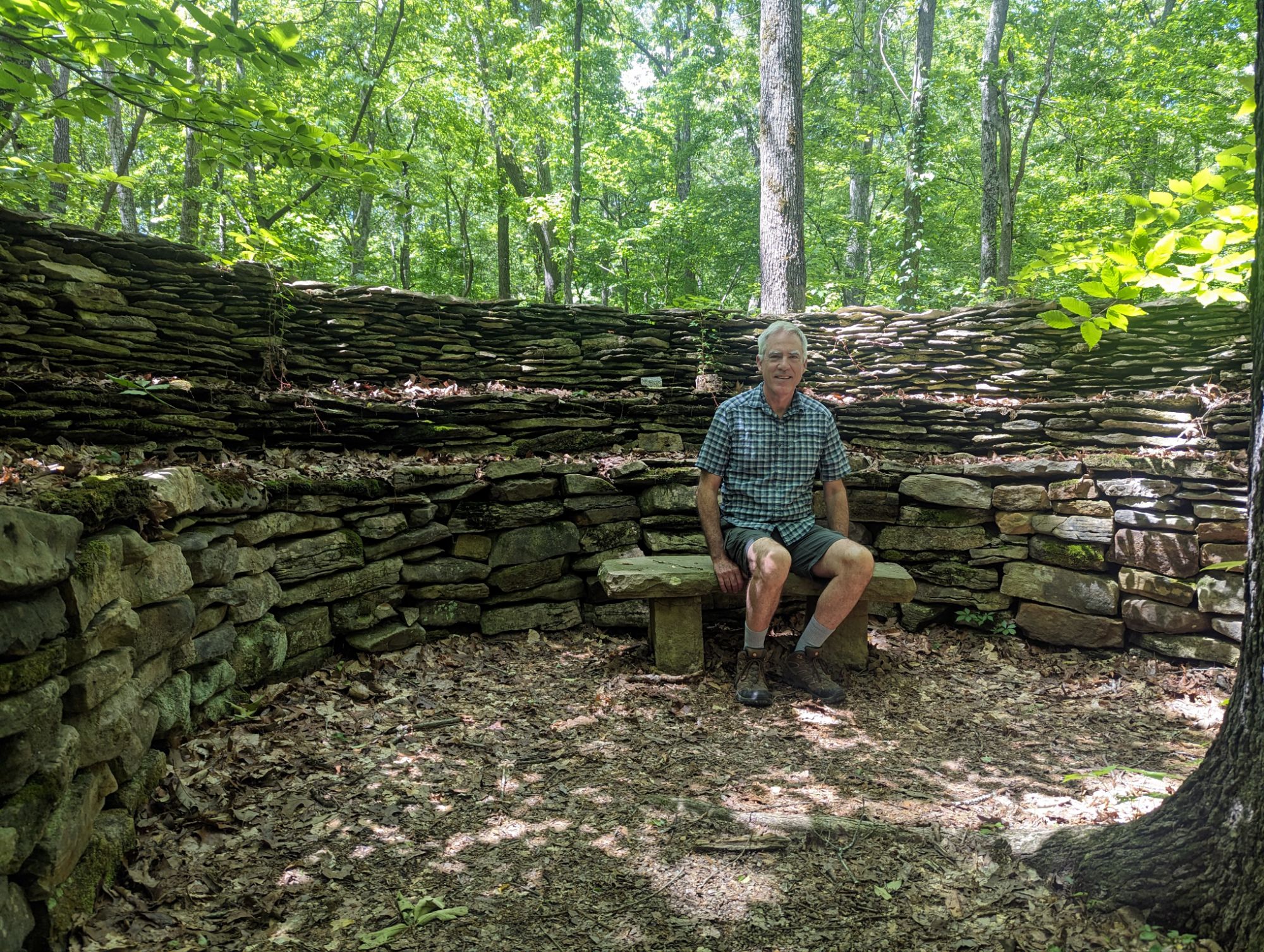
Tom Hendrix Stone Wall is the largest un-mortared wall in the USA. The total length of over one half mile contains eight million pounds of stone.

President Jackson encouraged Congress to adopt the Removal Act of 1830. The Act established a process whereby the President could grant land west of the Mississippi River to Indian tribes that agreed to give up their homelands.
Tribes that were affected: Cherokee, Choctaw, Chickasaw, Creek, and Seminole.
The Choctaws, Mississippi’s largest Indian group, were the first southeastern Indians to accept removal with the Treaty of Dancing Rabbit Creek in September 1830. The treaty provided that the Choctaws would receive land west of the Mississippi River in exchange for the remaining Choctaw lands in Mississippi.
The Treaty of Pontitock Creek, signed at the Chickasaw Council House on October 20, 1832, relinquished Chickasaw lands east of the Mississippi River in exchange for a promise to find suitable land west of the Mississippi River.

A sense of indescribable sadness and foreboding hovered over the people as they were removed from their cherished homelands. Due to the raw emotions, illness, and death along the way, the journey became known as the Trail of Tears.


Tonight in Tupelo!! There was a lot of traffic. It seemed like there was one main street with residential areas branching off of it. With many graduation celebrations, we were lucky to get a decent meal as we did not have a reservation.
Second day on the Trace in the books!!

Leave a Reply