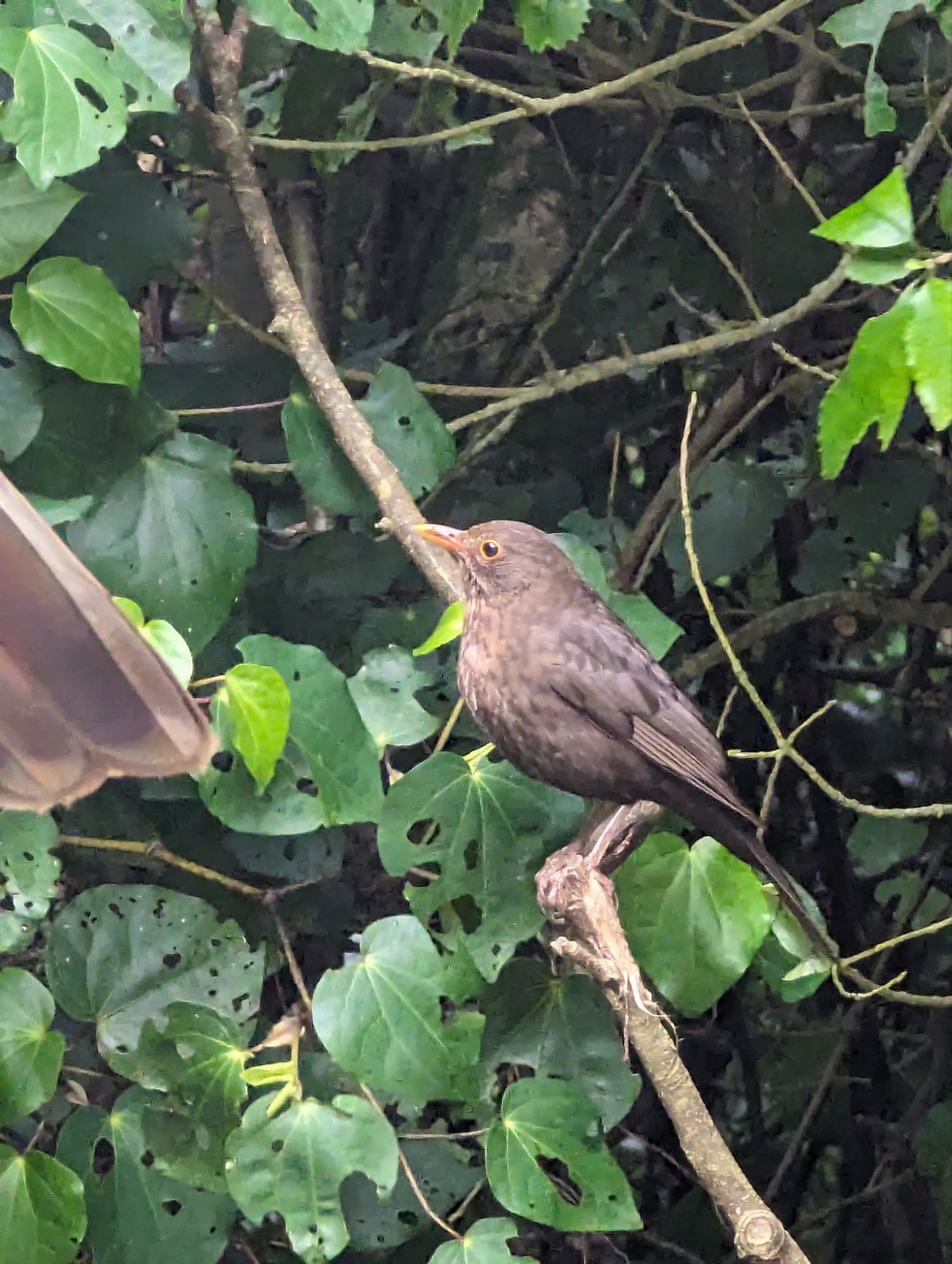

Wellington has the greatest biodiversity of any major city in the world. It also is the only major city in the world where biodiversity is increasing. They plan to be pest free by 2050. (I wonder if that includes pesky tourists!! Haha)
Native species found in a specific location are called endemic. Because of New Zealand’s long isolation, they have a large number of endemic species found nowhere else. New Zealand has 80,000+ endemic species. England has two.
Zealandia is actually the eighth continent, but most of it is submerged. New Zealand will get bigger and smaller due to earthquakes and volcanoes. Hopefully, not while we are here.
Zealandia is also the name of a refuge in Wellington for at-risk endemic species which is the brainchild of James and Eve Lynch.


The mission statement of Zealandia is: People pass on, but the land remains.
All surviving birds, reptiles, fish, invertebrates, frogs, bats and plants known to live in pre-human Wellington have been restored to the valley. Where extinct, analogue species have been introduced.
Giant rimu and northern rătă trees tower above the canopy of a fully mature conifer-broadleaf rainforest. The forest is dense, diverse and lush, with a profusion of flowers and fruit. Weeds and exotic trees have been removed or controlled.
Deep, fertile soils support thriving invertebrate and plant communities. Lakes and wetlands are healthy, and exotic fish removed.
Nutrient cycling, forest succession, and other ecological processes have been restored. Native species pollinate flowers, and birds disperse seeds around the city and the region.
Surrounding suburbs, too, are largely free of pest mammals so the risk of reinvasion is reduced.
They plan to have the Zealandia area fully back to prehuman times by 2500. Many trees take hundreds of years to grow.
New Zealand has a bird of the year contest to raise awareness of their special and often disappearing birds. The saddleback, an ancient songbird, is rarely seen.
New Zealand does not have the scary poisonous critters that Australia has. However, many of their plants are poisonous. For example the tūtū plant can kill an elephant in an hour. (I wondered how an elephant got hold of a tūtū plant. Our guide said that it was in town for the circus.) Honey is tested for tūtū because the poison will kill consumers. I don’t know how you would keep bees from it.
Tuatara is a living fossil. Fossil records show that they existed from 240 million years ago with worldwide distribution during the times of the dinosaur. Even more curious is that he is the ONLY one of his order Rhynchocephalia. Think of that. For example, another order is Mammal. We can name thousands of mammals.

They burrow, live in families, and are very territorial. They live to be over 100 years, and that may even be in captivity. No one knows for sure how long they live as researchers die before the tuatara.

A New Zealand fantail bird uses its tail to make sharp turns. Apparently, we stir up bugs when we walk so they follow us. The birds eat nectar, berries and insects.
Kiwi are nocturnal yet they don’t have good eyesight like most nocturnal animals However, Kiwi have a great sense of smell. Rain softens the ground to make it easy to forage. It is the only bird with nostrils on the end of its beak.


There are five species of kiwi. The male has a high pitched call, and the female’s call is much lower. They have one egg per year which is 20% of their weight. (I was supposed to be alarmed by this fact but isn’t a pregnant mom carrying at least 20% of her weight.)
The Maude Island Frog is one of the most endangered frogs in the world. They were translocated to Zealandia in order to assure the survival of the species, not just on Maude Island.
New Zealand’s native frogs have no external eardrum, they have round (not slit) eyes, and they
don’t croak. Maude Island frogs don’t have a tadpole stage. The embryos called froglets develop inside the egg, and then hatch as almost fully formed frogs. Then the male carries the offspring around on his back.
Titiwai is the Maori name for the glowworm. The glowworm metamorphosizes to a fungus gnat.
Eels need streams to be healthy. They lay their eggs in the ocean and then return to the streams.


Day is done but not before Rob noticed the constellation Orion…but the stars are upside down in the southern hemisphere.
Leave a Reply