
Today when we left the hotel, we saw these men digging a hole. They are preparing for a new building. It foreshadowed our visit to the Ark Fortress later in the day.
Once again we ventured out to see mausoleums …

The Samanid Mausoleum is located in the northwestern part of Bukhara, just outside its historic center. An architectural masterpiece, it was built in the 10th century A.D as the resting place of the powerful and influential Islamic Samanid dynasty that ruled the area from approximately 900 to 1000. The mausoleum was once located in the heart of a cemetery, but today it stands alone in a park. This tomb is one of the earliest surviving examples of funerary architecture in the Islamic world.

Nearby is Chashma-Ayub Mausoleum whose name translates to Job’s Well” or “Spring of Job” in English, referring to the legend of the Prophet Job striking the ground with his staff to create a spring in Bukhara. The water of this well is still pure and is considered healing. The current building was constructed during the reign of Timur and features a cone-shaped double dome uncommon in Bukhara.
Later in the morning we visited the Central Bazaar.


In the afternoon our destination was a massive fortress called the Ark of Bukhara that was built in the 5th century A.D. It was inhabited by various royal courts until Russia overtook the area in 1920.
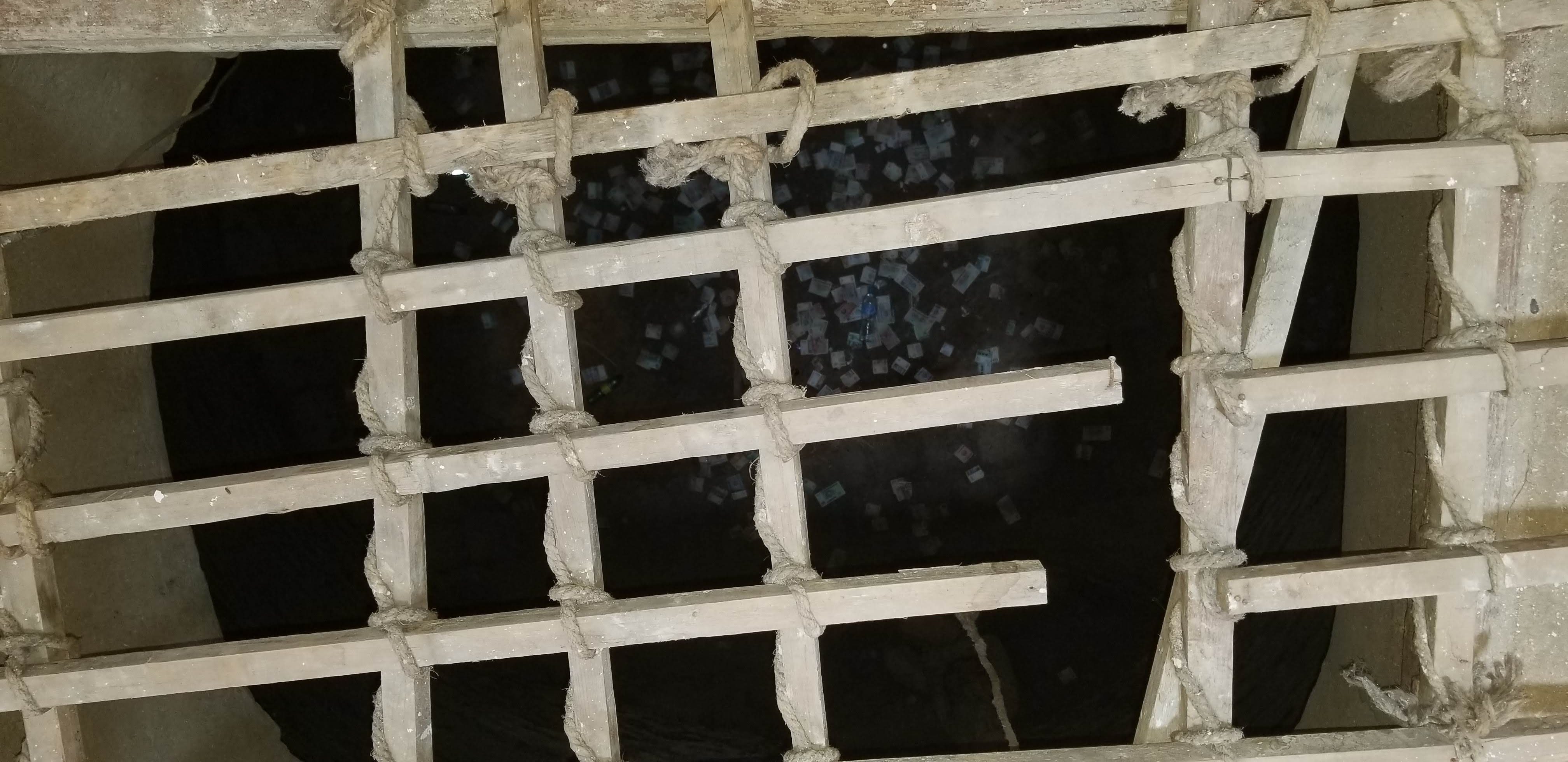
Before we went on the trip, I read a book called The Great Game by Peter Hopkirk. It is a fascinating book about the competition for central Asia during the 1800’s between Russia and Great Britain. One of the stories I remember occurred here. In 1842 British Diplomat Charles Stoddart and Captain Arthur Conolly were executed in front of the Ark Fortress by Emir Nasrullah Khan, who was known as “The Butcher”.

They had been imprisoned for more than a year in the Bug Pit while guards poured scorpions, bugs, and rodents onto their heads. They were victims of extreme blunders of sociopolitical etiquette. Stoddart brought a letter of reassurance to the Emir stating that the British had no intention of invading his kingdom. However, he rode into the castle in full uniform on horseback and saluted without dismounting. He also didn’t bring a gift for the Emir. Nasrullah was outraged at these indignities. He regarded Britain as a weakened empire. Later Conolly was sent to Bukhara to release Stoddart, but he was also thrown down into the pit. The British Empire did not respond.
Here is an article with the full story: https://ryanmurdock.com/2024/02/tossed-in-the-pit-in-bukhara/

Chor Minor, is a historic gatehouse for a now-destroyed madrasa in Bukhara. In Persian, the name of the monument means “four minarets”, referring to the building’s four towers. The structure was built in 1807 by Khalif Niyaz-kul, a wealthy Bukharan of Turkmen origin. It is different in architectural design than other buildings in Bukhara.
Leave a Reply